
Why are Modern Stainless Steel Kitchen Utensils the Best Choice for Modern Kitchens?
Modern kitchens demand tools that are durable, hygienic, efficient, and visually appealing. Among all material options, stainless steel has become a leading choice for kitchen utensils due to its strength, corrosion resistance, and long-term reliability. This article explores why modern stainless steel kitchen utensils have become essential in both home and professional cooking environments. It addresses common customer concerns such as durability, maintenance, safety, cost efficiency, and usability. You will also discover how to choose the right utensils, how to maintain them properly, and why they outperform alternative materials in real-world usage.

Table of Contents
- 1. Introduction
- 2. Why Stainless Steel Utensils Matter in Modern Kitchens
- 3. Key Benefits of Modern Stainless Steel Kitchen Utensils
- 4. Material Science Behind Stainless Steel Durability
- 5. Hygiene, Safety, and Food Health Protection
- 6. Stainless Steel vs Other Materials Comparison
- 7. Common Types of Stainless Steel Kitchen Utensils
- 8. How to Choose the Right Kitchen Utensils
- 9. Maintenance and Care Tips
- 10. Common Mistakes to Avoid
- 11. Practical Use Cases in Daily Cooking
- 12. Reliable Manufacturing and Brand Value
- 13. Frequently Asked Questions
- 14. Conclusion & Contact
1. Introduction
Cooking is no longer just a household task; it is a lifestyle, a passion, and for many, a professional pursuit. As kitchens evolve, so does the demand for tools that can withstand frequent use while maintaining performance and appearance. Modern stainless steel kitchen utensils have emerged as a preferred choice due to their combination of strength, longevity, and ease of maintenance.
Many households struggle with utensils that degrade quickly, absorb odors, stain easily, or warp under heat. These issues not only affect cooking efficiency but also increase replacement costs over time. Stainless steel addresses these pain points effectively, making it a long-term investment rather than a short-term purchase.
2. Why Stainless Steel Utensils Matter in Modern Kitchens
The modern kitchen is defined by efficiency and cleanliness. Stainless steel utensils play a crucial role in achieving both. Unlike plastic or wood, stainless steel does not easily absorb food particles or bacteria, making it more hygienic for repeated use.
- They withstand high temperatures without deforming
- They are resistant to rust and corrosion
- They maintain a polished appearance over time
- They are suitable for both home and commercial kitchens
For professional chefs and home cooks alike, reliability in tools directly affects cooking quality. Stainless steel ensures consistency across all cooking processes.
3. Key Benefits of Modern Stainless Steel Kitchen Utensils
Modern stainless steel utensils provide a wide range of advantages that solve common kitchen problems.
- Durability: Resistant to bending, cracking, and breaking
- Heat Resistance: Suitable for frying, boiling, and grilling
- Non-reactive Surface: Does not alter food taste or react with acidic ingredients
- Easy Cleaning: Dishwasher safe and stain resistant
- Long-Term Cost Efficiency: Reduces replacement frequency
These advantages make stainless steel one of the most practical materials for kitchen tools in both residential and commercial settings.
4. Material Science Behind Stainless Steel Durability
Stainless steel is an alloy primarily composed of iron, chromium, and nickel. The presence of chromium forms a passive layer that protects the metal from oxidation and rust.
This protective layer is self-healing, meaning even if the surface is scratched, it can regenerate when exposed to oxygen. This unique property makes stainless steel utensils exceptionally long-lasting.
In high-quality kitchen utensils, 304 stainless steel is commonly used due to its optimal balance of strength and corrosion resistance.
5. Hygiene, Safety, and Food Health Protection
Food safety is a top priority in any kitchen. Stainless steel is non-porous, meaning it does not trap bacteria, moisture, or food residues. This significantly reduces contamination risks compared to wooden or plastic utensils.
- Does not absorb odors from garlic, onions, or spices
- Easy to sterilize at high temperatures
- Resistant to staining from sauces and oils
For families and restaurants alike, this makes stainless steel one of the safest materials for everyday cooking tools.
6. Stainless Steel vs Other Materials Comparison
| Material | Durability | Hygiene | Heat Resistance | Maintenance |
|---|---|---|---|---|
| Stainless Steel | Very High | Excellent | Excellent | Easy |
| Plastic | Low | Moderate | Poor | Moderate |
| Wood | Medium | Moderate | Medium | High Maintenance |
| Silicone | Medium | Good | Good | Easy |
This comparison clearly shows why stainless steel remains the preferred choice for long-term kitchen use.
7. Common Types of Stainless Steel Kitchen Utensils
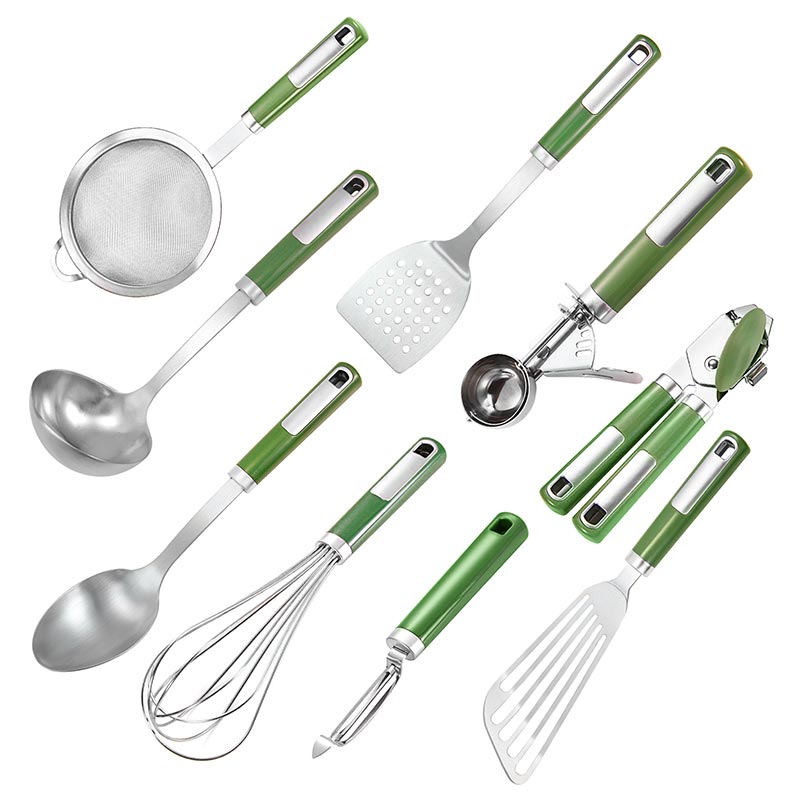
- Cooking spoons and ladles
- Spatulas and turners
- Whisks and mixers
- Tongs and serving tools
- Strainers and sieves
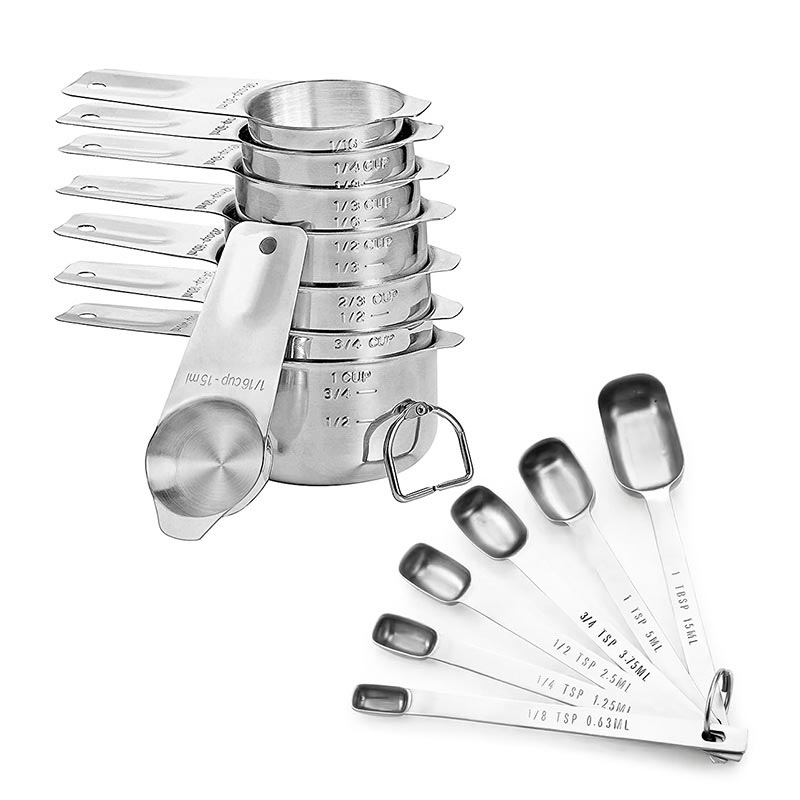
- Measuring cups and scoops
Each tool is designed for specific cooking tasks, improving both efficiency and precision in food preparation.
8. How to Choose the Right Kitchen Utensils
Selecting high-quality stainless steel utensils requires attention to several key factors:
- Material Grade: Prefer food-grade 304 stainless steel
- Handle Design: Ergonomic and heat-resistant handles
- Weight Balance: Comfortable handling during cooking
- Finish Quality: Smooth edges and polished surfaces
Investing in well-designed utensils enhances cooking experience and ensures long-term usability.
9. Maintenance and Care Tips
- Wash immediately after use to prevent residue buildup
- Use mild detergent and soft sponges
- Avoid abrasive cleaners that may scratch surfaces
- Dry thoroughly to maintain shine
- Store in a dry environment
Proper care ensures that stainless steel utensils maintain their appearance and performance for years.
10. Common Mistakes to Avoid
- Leaving utensils soaked in salty water for long periods
- Using steel wool that damages protective layers
- Overheating empty utensils
- Mixing with incompatible cleaning chemicals
Avoiding these mistakes significantly extends the lifespan of your kitchen tools.
11. Practical Use Cases in Daily Cooking
Stainless steel utensils are versatile across various cooking styles:
- Frying and sautéing at high temperatures
- Boiling soups and sauces
- Serving food in restaurants and buffets
- Mixing ingredients for baking
Their adaptability makes them essential in both home kitchens and professional environments.
12. Reliable Manufacturing and Brand Value
High-quality production standards are essential for ensuring the performance of kitchen utensils. A trusted manufacturer like Ningbo JAS Home Supplies Co., Ltd. focuses on precision engineering, material selection, and quality control to deliver durable and reliable stainless steel kitchen products for global markets.
13. Frequently Asked Questions
Q1: Are stainless steel utensils safe for all types of cooking?
Yes, they are safe for frying, boiling, baking, and grilling due to their heat resistance and non-reactive nature.
Q2: Do stainless steel utensils rust?
High-quality stainless steel is highly resistant to rust, especially when properly maintained.
Q3: Can stainless steel utensils go in the dishwasher?
Yes, most stainless steel utensils are dishwasher safe.
Q4: Why do some utensils feel heavier?
Heavier utensils often indicate thicker, higher-quality stainless steel construction.
Q5: Are stainless steel utensils better than silicone?
They offer higher durability and heat resistance, while silicone provides flexibility; both serve different purposes.
Q6: How long do stainless steel utensils last?
With proper care, they can last for many years, often decades.
14. Conclusion & Contact
Modern stainless steel kitchen utensils are more than just cooking tools; they are long-term investments in quality, safety, and efficiency. Their durability, hygiene benefits, and versatility make them indispensable in today’s kitchens. Whether for home cooking or professional food preparation, stainless steel consistently delivers superior performance.
If you are looking for reliable, high-quality kitchen utensils that combine functionality with modern design, professional manufacturers can provide tailored solutions to meet your needs.
Contact us today to learn more about premium stainless steel kitchen utensil solutions and how we can support your business or household needs with durable and innovative products.
Related News
- Why Is a 4pc Set Heat-Resistant Silicone Kitchen Cooking Set Essential for Modern Kitchens?
- Why Should You Choose a Stainless Steel Kitchenware Set?
- Why Is the Gold Baking Tool Measuring Spoon and Cup Essential for Precise Home Baking?
- Why Are Wooden Kitchen Utensils For Non-Stick Pans Essential for Modern Cooking?
- Why Are Stainless Steel Barbecue Grill Tongs Essential for Perfect Grilling?
- Why Choose Silicone Soup Ladle Turner Cooking Utensils Tools for Your Kitchen?
Leave me a message