
Why Should You Choose a Stainless Steel Kitchenware Set?
Choosing the right kitchenware can dramatically improve your cooking experience. Stainless steel kitchenware sets offer durability, versatility, and aesthetic appeal. This article explores the benefits, types, usage tips, and maintenance of stainless steel kitchenware, helping you make an informed decision for your home or professional kitchen.

Table of Contents
- Benefits of Stainless Steel Kitchenware Sets
- Types of Stainless Steel Kitchenware
- Understanding the Materials and Grades
- Practical Tips for Using Stainless Steel Kitchenware
- Maintenance and Care Guidelines
- Stainless Steel vs Other Materials
- Buying Guide: What to Look For
- Frequently Asked Questions (FAQ)
- Conclusion
Benefits of Stainless Steel Kitchenware Sets
Stainless steel kitchenware has become a popular choice for both home cooks and professional chefs. Here are some of its key benefits:
- Durability: Resistant to rust, corrosion, and dents.
- Non-reactive surface: Ideal for acidic foods like tomatoes or lemon-based recipes.
- Even heat distribution: Helps prevent hot spots during cooking.
- Low maintenance: Easy to clean and often dishwasher safe.
- Aesthetic appeal: Sleek, modern look that matches any kitchen décor.
Types of Stainless Steel Kitchenware
Stainless steel kitchenware comes in a variety of types depending on the cooking task. Understanding these types will help you select the perfect set:
| Type | Use Case | Key Features |
|---|---|---|
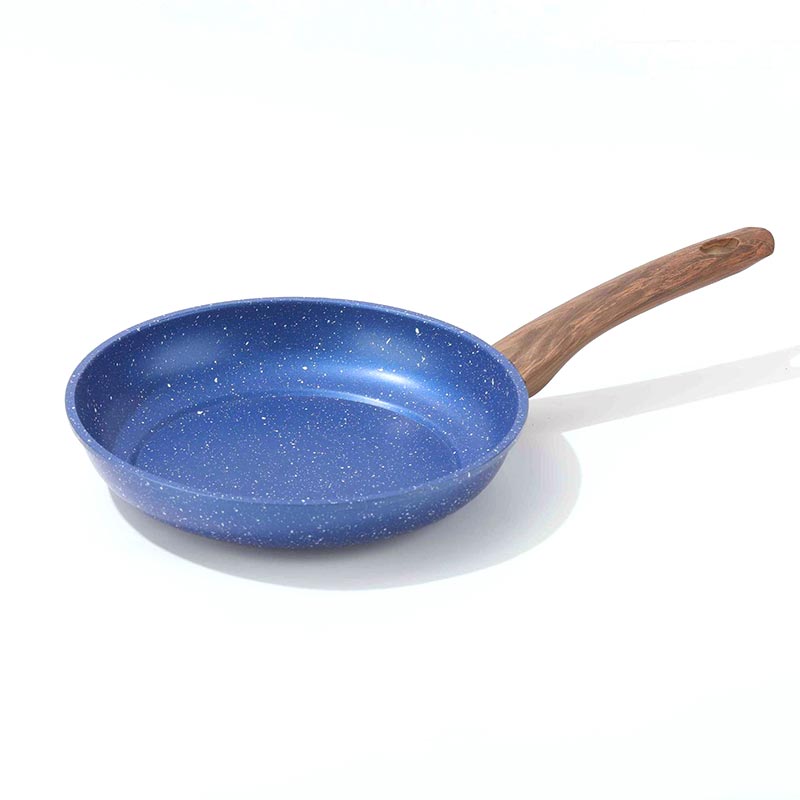
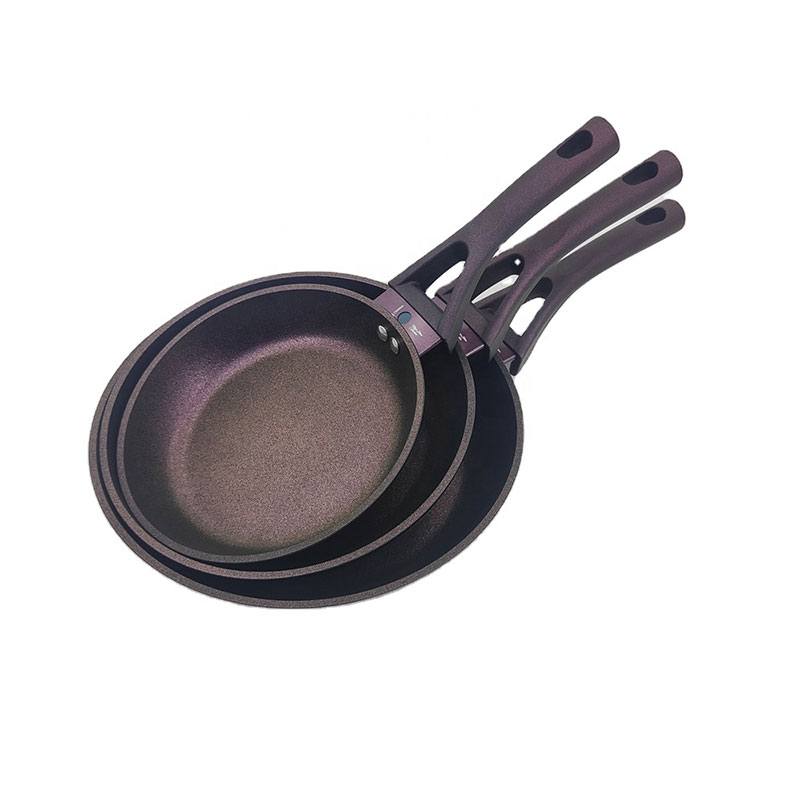
| Pots & Pans | Boiling, simmering, frying | Even heat distribution, durable handles |
| Cutlery | Chopping, slicing, serving | Sharp, rust-resistant, ergonomic design |
| Mixing Bowls | Mixing, marinating | Stackable, lightweight, non-reactive |
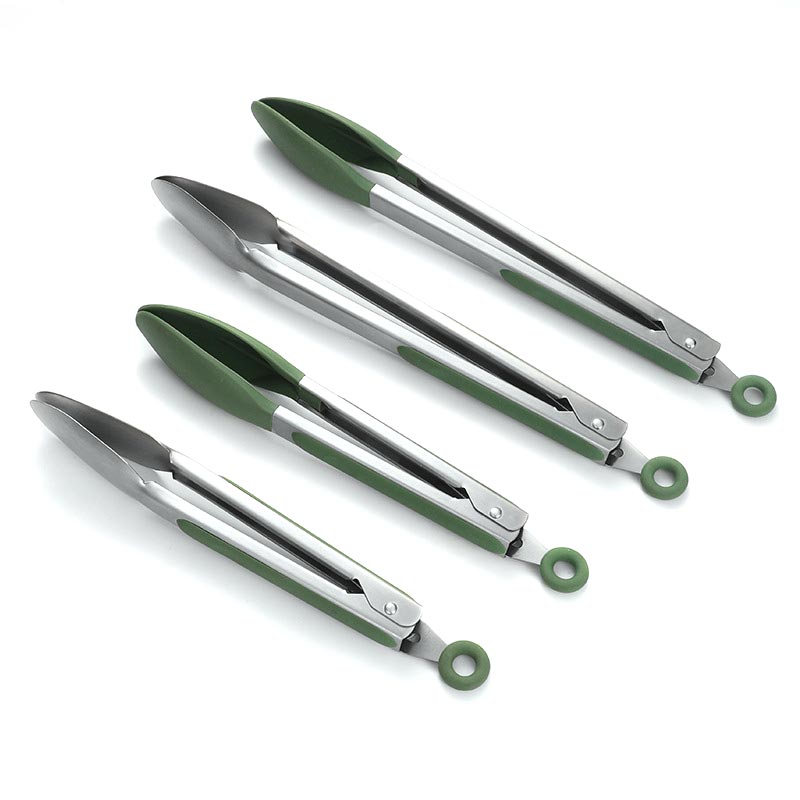
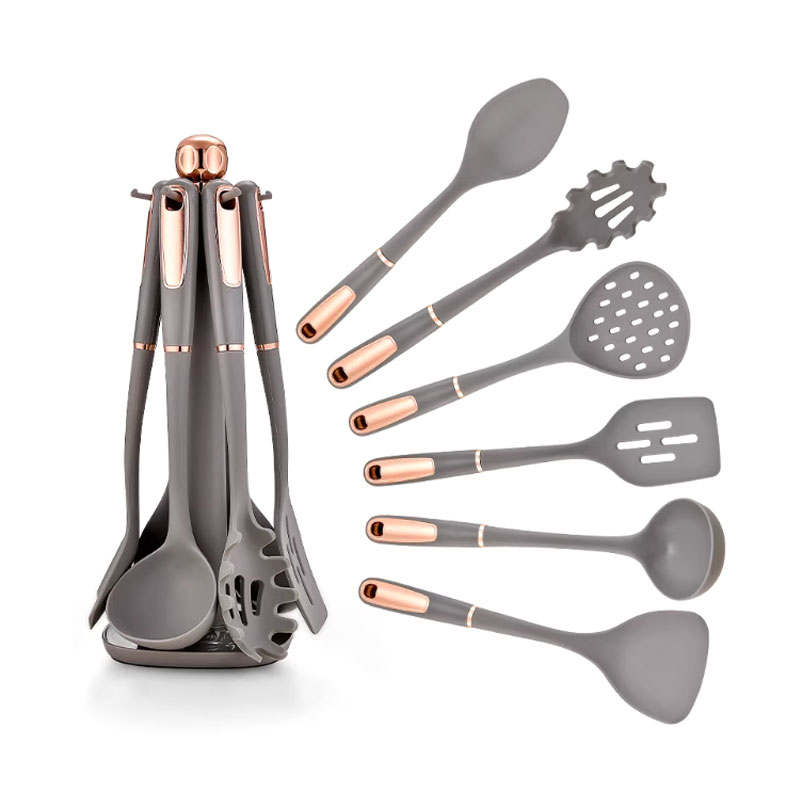
| Cooking Utensils | Stirring, serving, flipping | Heat resistant, sturdy, easy to clean |
Understanding the Materials and Grades
Not all stainless steel is created equal. Kitchenware is commonly made from grades such as 18/10 or 18/8, referring to the chromium and nickel content:
- 18/10 Stainless Steel: 18% chromium, 10% nickel — excellent corrosion resistance and shine.
- 18/8 Stainless Steel: 18% chromium, 8% nickel — slightly less shine but durable and safe.
- Other Grades: 430 stainless steel is magnetic and budget-friendly but less resistant to rust.
Practical Tips for Using Stainless Steel Kitchenware
Using stainless steel kitchenware properly ensures longevity and better cooking results:
- Preheat pans before adding oil to prevent sticking.
- Use wooden or silicone utensils to avoid scratches.
- Avoid cooking highly acidic dishes in low-grade steel.
- Always clean after use and dry thoroughly to prevent water spots.
- Polish occasionally to maintain shine.
Maintenance and Care Guidelines
Proper care extends the life of your kitchenware:
- Dishwashing: Most stainless steel is dishwasher safe but hand washing is gentler.
- Removing Stains: Use baking soda paste or vinegar solution for stubborn marks.
- Polishing: Stainless steel cleaners restore shine without scratching.
- Storage: Stack carefully or use protective pads to prevent scratches.
Stainless Steel vs Other Materials
Understanding how stainless steel compares with other materials can clarify its value:
| Material | Pros | Cons |
|---|---|---|
| Stainless Steel | Durable, non-reactive, stylish | Can be heavy, sometimes prone to sticking |
| Non-stick | Easy cooking and cleaning, less oil needed | Coating can wear off, less durable |
| Copper | Excellent heat conduction, visually appealing | Requires polishing, can react with food |
| Cast Iron | Great heat retention, long-lasting | Heavy, requires seasoning and maintenance |
Buying Guide: What to Look For
When selecting a stainless steel kitchenware set, consider the following factors:
- Grade of stainless steel (18/10 recommended for longevity).
- Compatibility with your cooktop (induction, gas, electric).
- Number and types of pieces included.
- Handle design and comfort.
- Brand reputation and warranty.
Frequently Asked Questions (FAQ)
1. Are stainless steel kitchenware sets dishwasher safe?
Most high-quality stainless steel sets are dishwasher safe. However, hand washing is recommended for prolonged shine and durability.
2. Do stainless steel pans require oil to prevent sticking?
Yes, preheating the pan and adding a small amount of oil helps reduce sticking.
3. Can I use stainless steel kitchenware on induction cooktops?
Only magnetic stainless steel, such as 18/0 or 18/10, works with induction cooktops. Check the product specifications.
4. How do I remove water spots or stains?
Use a paste of baking soda and water or a solution of vinegar and water. Rinse thoroughly and dry immediately.
5. Is stainless steel safe for acidic foods?
Yes, stainless steel is non-reactive and safe for acidic foods, unlike aluminum or copper without lining.
Conclusion
Investing in a quality stainless steel kitchenware set can transform your cooking experience, offering durability, safety, and versatility. By understanding the types, materials, and maintenance tips, you can choose a set that fits your culinary needs perfectly. Consider factors like steel grade, set composition, and handle comfort when making a purchase.
For premium stainless steel kitchenware, you can explore Ningbo JAS Home Supplies Co., Ltd. – offering a range of high-quality, durable, and stylish kitchenware sets. Contact us today to learn more about our products and get personalized recommendations.
Related News
- Why Is a 4pc Set Heat-Resistant Silicone Kitchen Cooking Set Essential for Modern Kitchens?
- Why Is the Gold Baking Tool Measuring Spoon and Cup Essential for Precise Home Baking?
- Why Are Wooden Kitchen Utensils For Non-Stick Pans Essential for Modern Cooking?
- Why Are Stainless Steel Barbecue Grill Tongs Essential for Perfect Grilling?
- Why are Modern Stainless Steel Kitchen Utensils the Best Choice for Modern Kitchens?
- Why Choose Silicone Soup Ladle Turner Cooking Utensils Tools for Your Kitchen?
Leave me a message