
Why Are Wooden Kitchen Utensils For Non-Stick Pans Essential for Modern Cooking?
Non-stick cookware has become one of the most popular choices in modern kitchens because of its convenience, easy cleaning, and healthier cooking performance. However, many people unknowingly shorten the lifespan of their non-stick pans by using the wrong utensils. Metal spatulas, sharp-edged spoons, and hard plastic tools can scratch delicate coatings, reducing cooking efficiency and even affecting food quality over time.
This comprehensive guide explains why wooden kitchen utensils for non-stick pans are a smarter and safer option. From protecting cookware surfaces to improving cooking comfort, wooden utensils provide multiple benefits for both home cooks and professional chefs. This article also explores different types of wooden utensils, material comparisons, maintenance tips, buying advice, and common mistakes people should avoid.
Whether you are upgrading your kitchen tools or searching for long-lasting cookware accessories, this guide will help you make informed decisions for a better cooking experience.

Table of Contents
- 1. Why Wooden Utensils Matter
- 2. Main Benefits of Wooden Kitchen Utensils
- 3. Wooden vs Silicone vs Metal Utensils
- 4. Popular Types of Wooden Kitchen Utensils
- 5. Best Wood Materials for Cooking Tools
- 6. How to Maintain Wooden Utensils
- 7. Common Mistakes to Avoid
- 8. What to Look for Before Buying
- 9. Sustainability and Eco-Friendly Value
- 10. Why Professional Chefs Prefer Wooden Tools
- 11. FAQ
- 12. Conclusion
1. Why Wooden Utensils Matter for Non-Stick Pans
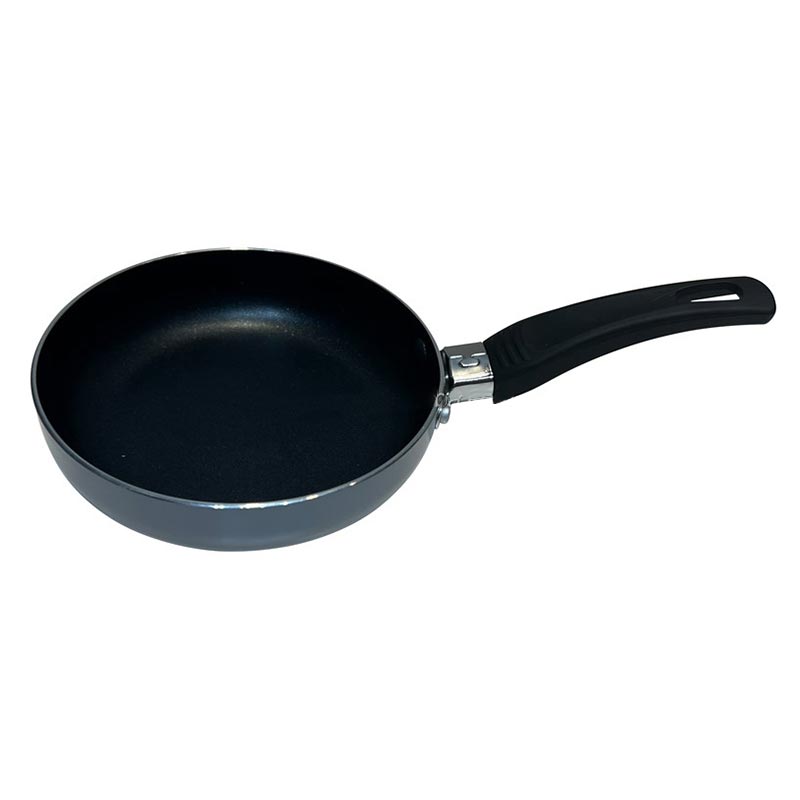
Non-stick cookware is designed with a delicate surface coating that allows food to release easily while minimizing the need for excessive oil or butter. While these pans offer convenience, their coating can be damaged by hard or abrasive utensils.
Wooden utensils are naturally softer than metal tools, making them ideal companions for non-stick cookware. Unlike steel spatulas or rigid nylon utensils, wooden spoons and spatulas glide smoothly across the pan surface without scratching or peeling the coating.
Using proper utensils is not just about maintaining appearance. Scratched cookware may lose its non-stick performance, heat unevenly, and become more difficult to clean. In some cases, damaged coatings can even contaminate food particles.
Key Insight: Investing in high-quality wooden kitchen utensils can significantly extend the lifespan of non-stick cookware while improving daily cooking performance.
2. Main Benefits of Wooden Kitchen Utensils
| Benefit | Explanation |
|---|---|
| Protects Non-Stick Coating | Wood is gentle and reduces scratching risk. |
| Heat Resistant | Wood does not transfer heat quickly, helping prevent burns. |
| Comfortable Grip | Wooden handles remain comfortable during long cooking sessions. |
| Natural Appearance | Wood adds warmth and elegance to kitchen décor. |
| Eco-Friendly | Many wooden utensils are biodegradable and renewable. |
| Noise Reduction | Wooden utensils are quieter than metal tools during cooking. |
Another important advantage is versatility. Wooden utensils work well for frying, sautéing, mixing, serving, and baking preparation. Their natural durability makes them practical for everyday use.
3. Wooden vs Silicone vs Metal Utensils
Choosing the right cooking utensil often depends on personal preference, cooking habits, and cookware type. Below is a detailed comparison:
| Feature | Wooden | Silicone | Metal |
|---|---|---|---|
| Safe for Non-Stick Pans | Excellent | Very Good | Poor |
| Heat Conductivity | Low | Low | High |
| Durability | High | Medium | Very High |
| Aesthetic Appeal | Natural & Elegant | Modern | Industrial |
| Maintenance | Requires Care | Easy | Easy |
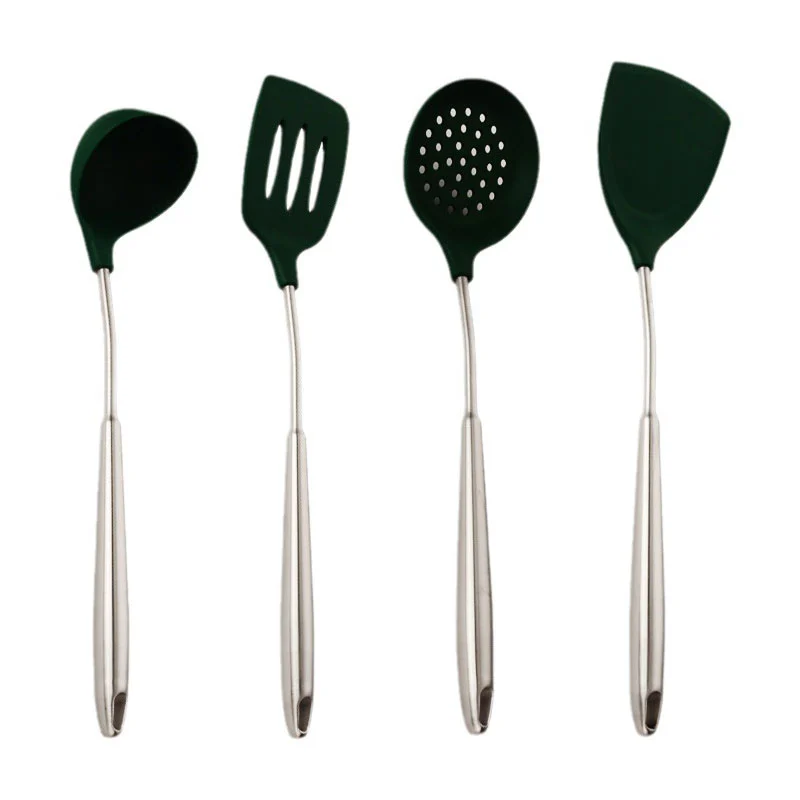
While silicone utensils are also safe for non-stick pans, many users prefer wooden tools because of their traditional appearance, natural texture, and environmental advantages.
4. Popular Types of Wooden Kitchen Utensils
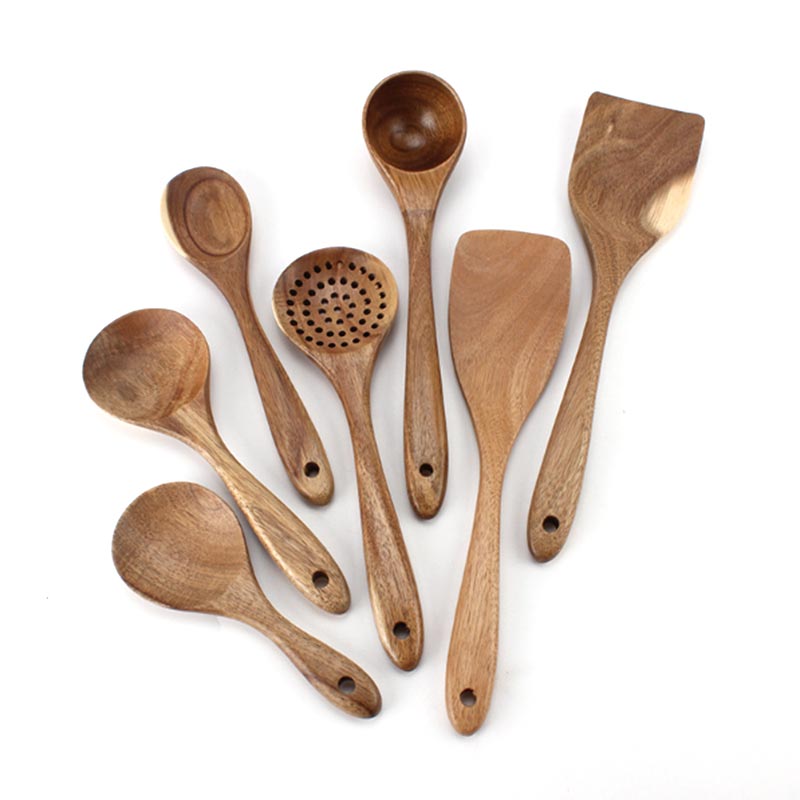
Different cooking tasks require different utensil designs. Below are some of the most commonly used wooden kitchen tools:
- Wooden Spatulas: Ideal for flipping pancakes, eggs, and delicate foods.
- Wooden Spoons: Perfect for stirring soups, sauces, and pasta.
- Slotted Wooden Turners: Helpful for draining oil while cooking.
- Wooden Tongs: Useful for serving salads and grilling foods.
- Wooden Ladles: Excellent for serving stews and soups.
- Wooden Scrapers: Great for mixing dough and batter.
Many households prefer complete wooden utensil sets because they provide consistency in both appearance and functionality.
Cooking Tip: Flat-edge wooden spatulas are particularly effective for sautéing vegetables and gently scraping food residue from non-stick surfaces.
5. Best Wood Materials for Cooking Utensils
Not all wood types offer the same performance. Some materials are stronger, more moisture-resistant, and longer-lasting than others.
| Wood Type | Characteristics | Best Use |
|---|---|---|
| Teak | Highly durable and moisture resistant | Professional cooking |
| Bamboo | Lightweight and sustainable | Daily home cooking |
| Beech Wood | Smooth texture and solid durability | General kitchen use |
| Olive Wood | Decorative grain patterns | Serving utensils |
| Maple | Hard and long-lasting | Heavy-duty stirring |
Premium manufacturers like Ningbo JAS Home Supplies Co., Ltd. focus on selecting durable and food-safe wood materials that combine functionality with elegant craftsmanship.
6. How to Maintain Wooden Kitchen Utensils
Proper maintenance can dramatically extend the lifespan of wooden cooking utensils.
- Wash utensils with warm water and mild soap immediately after use.
- Avoid soaking them for long periods.
- Dry thoroughly before storing.
- Apply food-grade mineral oil occasionally to prevent cracking.
- Keep utensils away from direct flames or prolonged heat exposure.
- Do not place wooden utensils in dishwashers unless specifically labeled dishwasher-safe.
Wood is a natural material that reacts to moisture and temperature changes. Regular care helps preserve its strength, appearance, and hygiene.
7. Common Mistakes to Avoid
- Using dishwasher cleaning cycles repeatedly
- Leaving utensils submerged in water overnight
- Ignoring visible cracks or splinters
- Using damaged utensils on delicate cookware
- Buying extremely cheap products made from low-quality wood
Many consumers focus only on price while overlooking craftsmanship and finishing quality. Poorly made utensils may absorb odors, stain easily, or crack after short-term use.
8. What to Look for Before Buying Wooden Utensils
When selecting wooden kitchen utensils for non-stick pans, several factors should be carefully evaluated:
Material Quality
Choose dense hardwoods with smooth surfaces and food-safe finishes.
Comfortable Design
Look for ergonomic handles that provide a secure grip.
Smooth Finish
High-quality utensils should feel polished without rough edges.
Proper Thickness
Balanced thickness improves durability and cooking control.
Consumers increasingly value kitchen products that combine practicality, sustainability, and visual appeal. Wooden utensils meet all three requirements effectively.
9. Sustainability and Eco-Friendly Value
Environmental awareness has changed purchasing habits worldwide. Many consumers now prefer reusable, biodegradable kitchen products instead of disposable plastic tools.
Wooden kitchen utensils are often manufactured from renewable resources and require less energy production compared to plastic or metal alternatives. Sustainable forestry practices also help reduce environmental impact.
Bamboo utensils are particularly popular because bamboo grows rapidly and regenerates naturally without extensive agricultural resources.
Eco-Friendly Advantage: Replacing plastic utensils with durable wooden alternatives can help reduce long-term household waste.
10. Why Professional Chefs Prefer Wooden Tools
Professional kitchens often use wooden utensils because they provide excellent balance, heat resistance, and cookware protection.
Chefs appreciate wooden spoons for stirring sauces since wood does not react with acidic ingredients like tomatoes or vinegar. Wooden spatulas also provide better tactile feedback when handling delicate foods.
Another reason for their popularity is comfort. During long cooking sessions, wooden handles remain cooler and more comfortable than metal alternatives.
Many culinary professionals also value the timeless appearance of handcrafted wooden tools, especially in open kitchens where presentation matters.
11. Frequently Asked Questions
Can wooden utensils scratch non-stick pans?
Wooden utensils are among the safest options for non-stick cookware because they are softer than metal and less abrasive.
How long do wooden kitchen utensils last?
With proper care, high-quality wooden utensils can last for many years without losing performance.
Are bamboo utensils better than hardwood utensils?
Bamboo is lightweight and eco-friendly, while hardwoods like teak and maple generally offer greater durability.
Can wooden utensils absorb food odors?
Poorly maintained utensils may absorb odors over time. Regular cleaning and oil treatment help minimize this issue.
Should wooden utensils be oiled?
Yes. Applying food-grade mineral oil periodically helps prevent drying and cracking.
Are wooden utensils safe for high-heat cooking?
Yes. Wooden utensils are naturally heat resistant and comfortable to use during cooking.
12. Conclusion
Wooden kitchen utensils for non-stick pans are more than simple cooking accessories. They help preserve cookware quality, improve cooking comfort, reduce kitchen noise, and support environmentally conscious lifestyles.
Whether you are preparing quick family meals or experimenting with gourmet recipes, choosing the right utensils can make a noticeable difference in both cooking performance and cookware longevity.
High-quality wooden utensils combine functionality, beauty, and sustainability in a way few other kitchen tools can match. For homeowners, cooking enthusiasts, retailers, and hospitality businesses, investing in reliable wooden kitchen utensils is a practical long-term decision.
Ningbo JAS Home Supplies Co., Ltd. specializes in high-quality wooden kitchen utensils designed for modern non-stick cookware. From elegant wooden spoons to durable spatula sets, our products combine craftsmanship, safety, and functionality for kitchens worldwide.
Contact us today to discover premium kitchen utensil solutions for your business or home kitchen needs.
Related News
- Why Is a 4pc Set Heat-Resistant Silicone Kitchen Cooking Set Essential for Modern Kitchens?
- Why Should You Choose a Stainless Steel Kitchenware Set?
- Why Is the Gold Baking Tool Measuring Spoon and Cup Essential for Precise Home Baking?
- Why Are Stainless Steel Barbecue Grill Tongs Essential for Perfect Grilling?
- Why are Modern Stainless Steel Kitchen Utensils the Best Choice for Modern Kitchens?
- Why Choose Silicone Soup Ladle Turner Cooking Utensils Tools for Your Kitchen?
Leave me a message