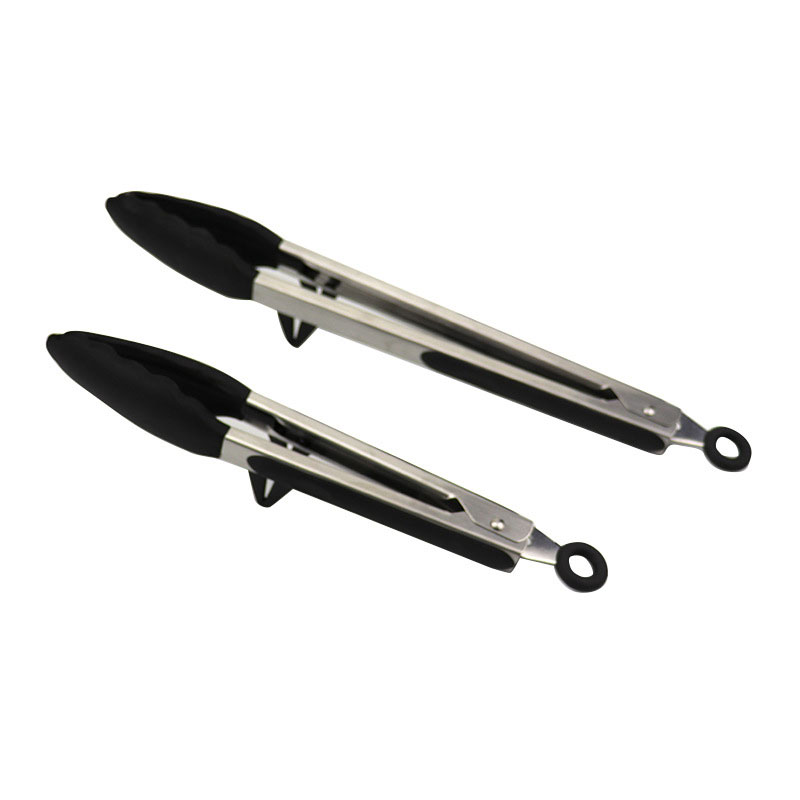
Silicone kitchenware that meets food-grade standards is safe under normal use conditions, but you need to pay attention to purchasing regular products and follow the usage specifications.
Safety basis of silicone kitchenware
1. Material properties:
Food-grade silicone has passed international certifications such as FDA and LFGB, has stable chemical properties, a wide temperature range (-40℃ to 230℃), and will not release harmful substances at normal cooking temperatures.
High-quality silicone has the characteristics of being non-toxic and odorless, resistant to aging, and antibacterial, and can be preliminarily identified through combustion tests (bright flames and white powdery ash).
2. Authoritative testing and verification:
The national food safety standard GB 4806.11-2016 requires that the migration of heavy metals in silicone products is extremely low (such as lead ≤0.01mg/kg), and the total migration must be <10mg/dm².
Qualified products must pass strict tests such as volatile organic compound (VOC) control and peroxide residue detection.
Precautions for purchase and use
1. Key points for purchase:
Recognize the QS number, FDA or LFGB certification mark on the package, and avoid purchasing "three-no" products without manufacturer information.
Prefer translucent milky white products. Colors that are too bright may contain dyes.
2. Usage suggestions:
Avoid long-term exposure to high temperatures exceeding 230°C (such as frying). It is recommended to use it during medium and low temperature cooking.
Regularly check whether the kitchenware is deformed or shed, and replace it immediately if abnormal.
Use neutral detergent when cleaning, avoid scratching with steel wool, and store away from heat sources after drying.
Risks of inferior products
1. Common problems:
Some low-priced products have insufficient silica gel purity and may be mixed with plasticizers (such as phthalates), and the release amount at high temperature exceeds the national standard by 5 times.
Silicone using recycled materials or peroxide vulcanization process may have residual carcinogens (such as formaldehyde and benzene).
2. Health impact:
Long-term exposure to inferior silicone may cause liver damage, endocrine disruption, and in extreme cases increase the risk of cancer.
We use cookies to offer you a better browsing experience, analyze site traffic and personalize content. By using this site, you agree to our use of cookies. Privacy Policy