
Are Silicone Kitchen Utensils the Safest and Smartest Choice for Modern Cooking
Silicone kitchen utensils have rapidly become a staple in modern kitchens due to their safety, durability, and versatility. From heat resistance and non-toxic properties to their compatibility with non-stick cookware, food-grade silicone tools offer significant advantages over traditional materials like wood, plastic, and stainless steel. In this comprehensive guide, we analyze safety standards, performance comparisons, material science, maintenance tips, and how to select a reliable supplier such as JAS.
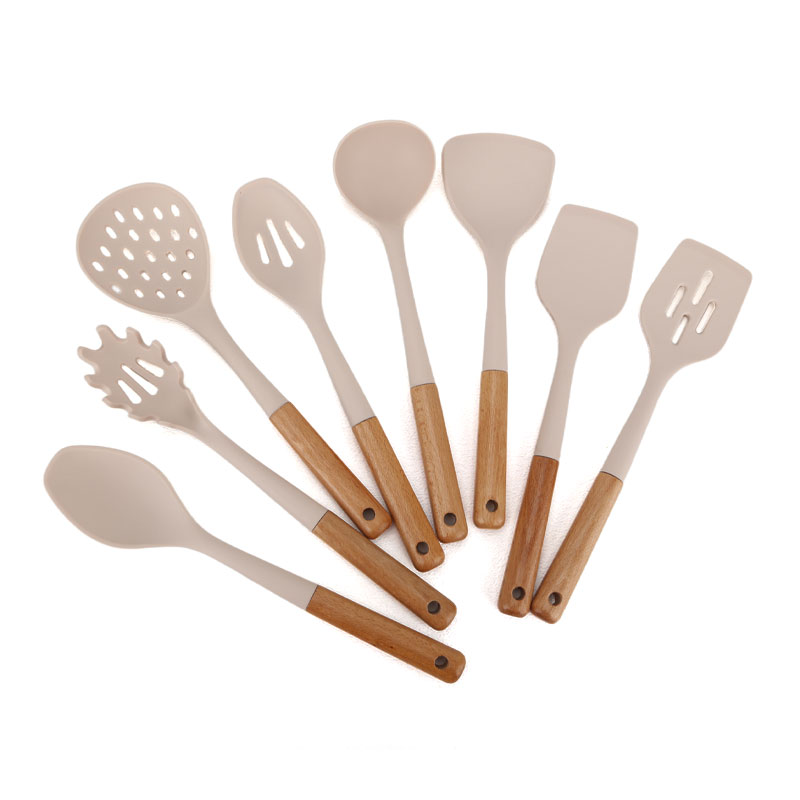
Table of Contents
- What Are Silicone Kitchen Utensils?
- Why Are Silicone Kitchen Utensils So Popular?
- Are Silicone Kitchen Utensils Safe?
- Silicone vs Plastic vs Stainless Steel vs Wood
- Understanding Heat Resistance & Durability
- Why Silicone Is Ideal for Non-Stick Cookware
- How to Choose High-Quality Silicone Kitchen Utensils
- Cleaning & Maintenance Tips
- Applications in Home & Professional Kitchens
- Choosing a Trusted Manufacturer
- Frequently Asked Questions
1. What Are Silicone Kitchen Utensils?
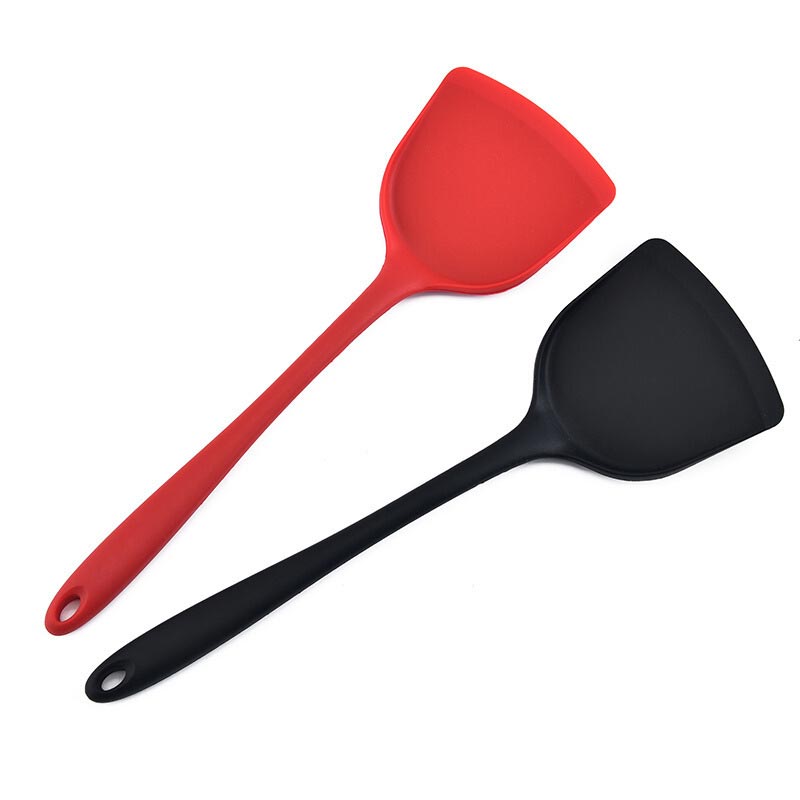
Silicone kitchen utensils are cooking tools made from food-grade silicone — a synthetic polymer derived from silicon, oxygen, carbon, and hydrogen. Unlike plastic, silicone does not contain harmful chemicals like BPA and is widely recognized for its flexibility, durability, and temperature resistance.
Typical silicone cooking tools include:
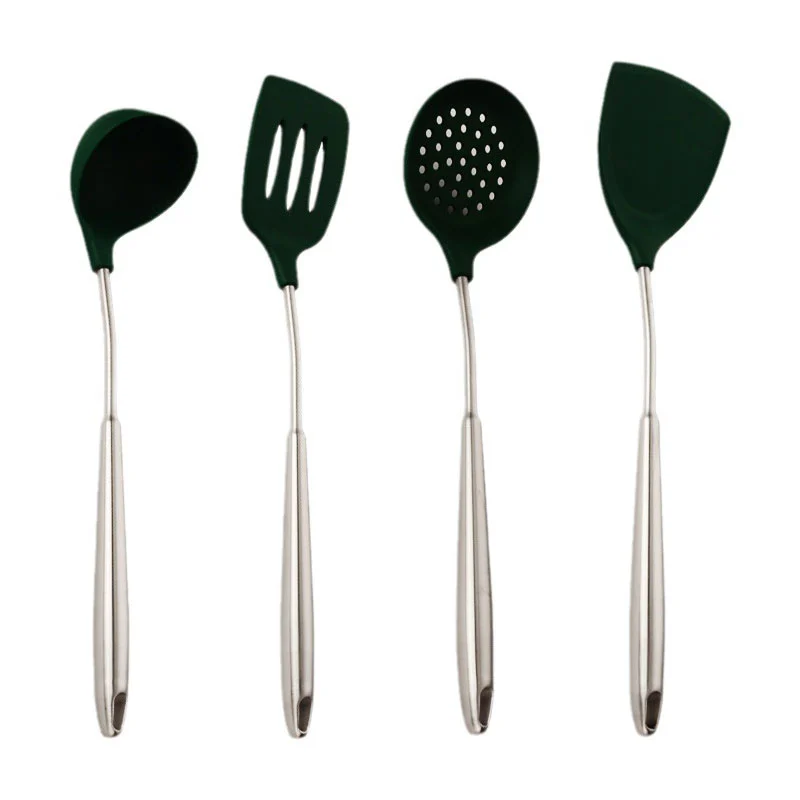
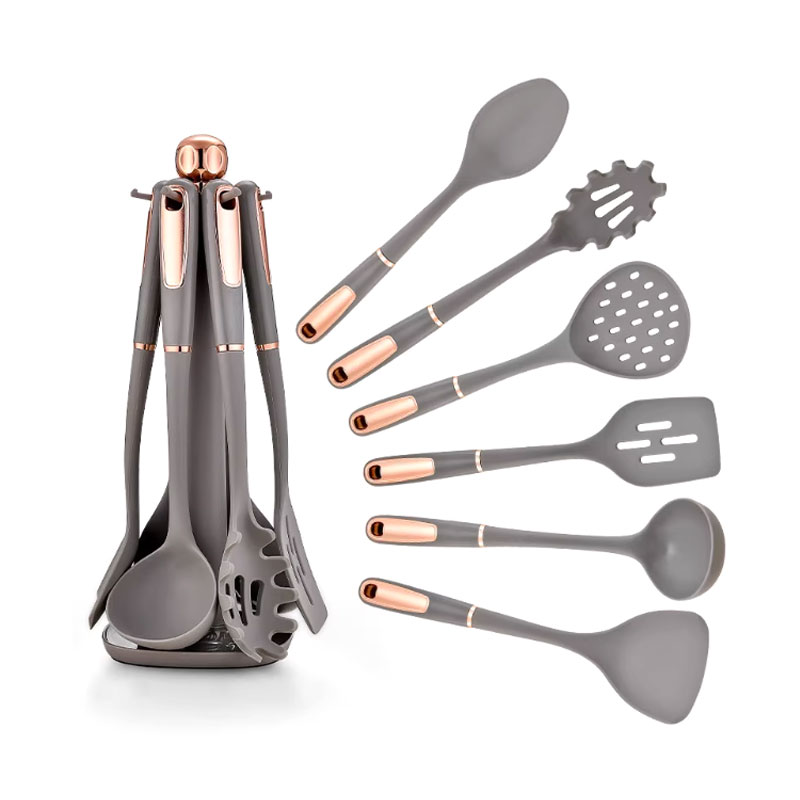
- Spatulas
- Turners
- Whisks
- Ladles
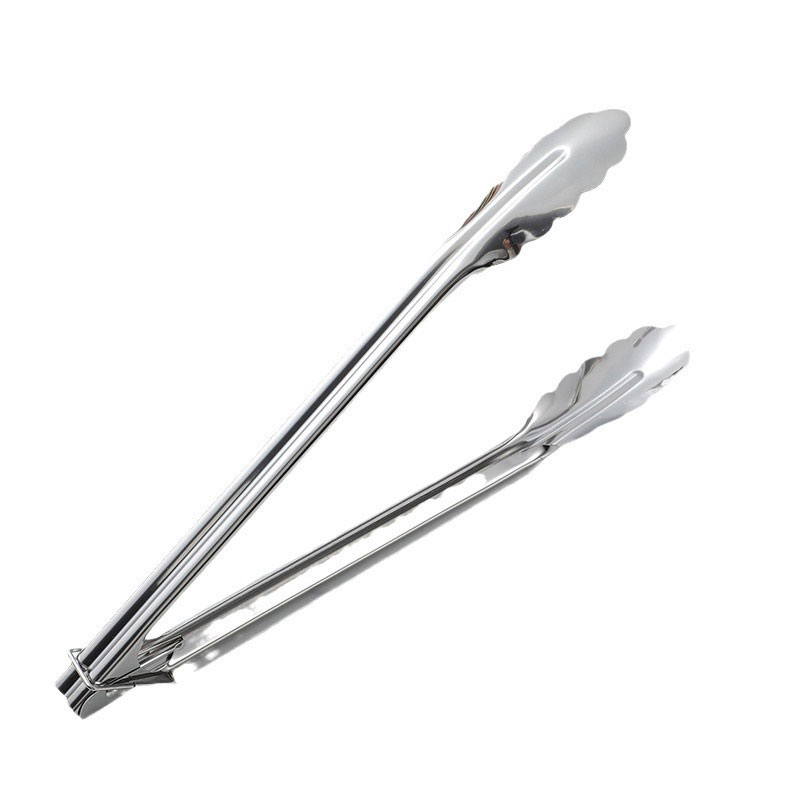
- Tongs
- Basting brushes
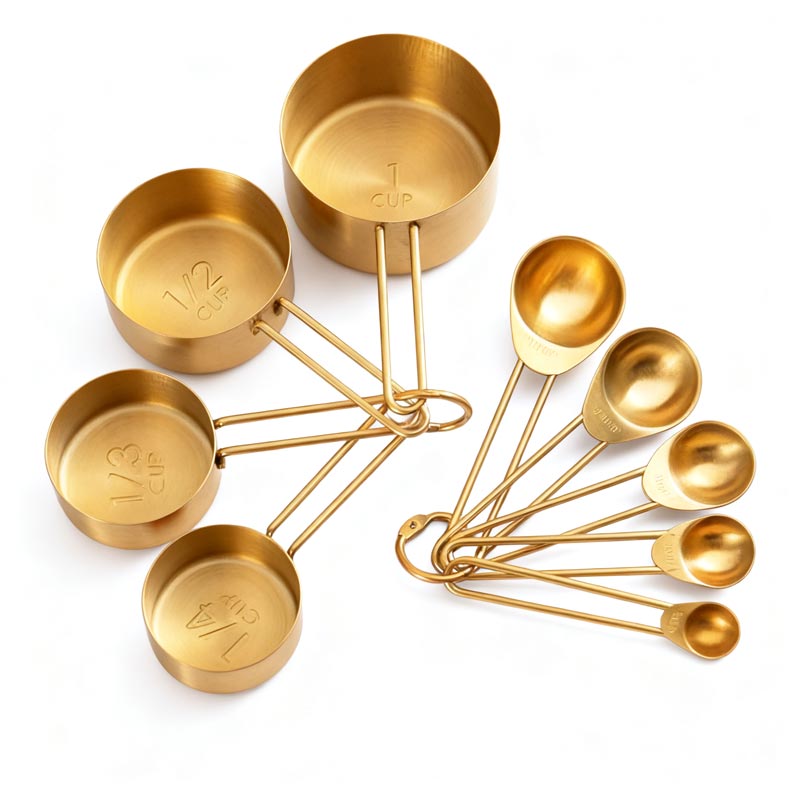
- Measuring spoons
Modern manufacturers such as JAS specialize in producing high-quality silicone kitchen utensils that meet international food safety standards.
2. Why Are Silicone Kitchen Utensils So Popular?
The surge in popularity can be attributed to several factors:
✔ Health & Safety Awareness
Consumers increasingly prefer non-toxic, BPA-free cooking tools.
✔ Compatibility with Modern Cookware
Silicone does not scratch ceramic, Teflon, or non-stick surfaces.
✔ Heat Resistance
Most high-quality silicone utensils withstand temperatures between 230°C–250°C (446°F–482°F).
✔ Aesthetic Appeal
Available in vibrant colors and sleek modern designs.
3. Are Silicone Kitchen Utensils Safe?
Food-grade silicone is widely regarded as safe for cooking. It is:
- Non-toxic
- BPA-free
- Odor-resistant
- Non-reactive with food
- Free from phthalates
High-quality silicone does not leach chemicals when exposed to heat. However, safety depends heavily on the manufacturer and compliance with FDA or LFGB standards.
| Feature | Food Grade Silicone | Low-Quality Silicone |
|---|---|---|
| Heat Resistance | Up to 250°C | May deform at lower temps |
| Odor | Odorless | May emit smell |
| Safety Certification | FDA / LFGB | Unverified |
4. Silicone vs Plastic vs Stainless Steel vs Wood
| Material | Heat Resistant | Non-Scratch | Durability | Safety |
|---|---|---|---|---|
| Silicone | Excellent | Yes | High | Food-Grade Safe |
| Plastic | Low | Yes | Medium | May Contain BPA |
| Stainless Steel | Excellent | No | Very High | Safe |
| Wood | Moderate | Yes | Medium | Natural but porous |
Silicone stands out for combining safety, flexibility, and non-scratch benefits.
5. Understanding Heat Resistance & Durability
One of the strongest advantages of silicone kitchen utensils is thermal stability. Unlike plastic that melts or wood that cracks, silicone maintains structural integrity even in high-heat cooking.
Heat Tolerance Range
- Standard Silicone: 200°C
- Premium Food-Grade Silicone: 230–250°C
This makes them ideal for frying, sautéing, baking, and grilling.
6. Why Silicone Is Ideal for Non-Stick Cookware
Non-stick cookware requires gentle utensils. Metal tools scratch coatings, reducing lifespan.
Silicone offers:
- Soft edges
- Flexible surfaces
- Scratch-free contact
- Long-term cookware protection
This compatibility is one of the biggest reasons silicone tools dominate modern kitchens.
7. How to Choose High-Quality Silicone Kitchen Utensils
Key Buying Factors:
- 100% Food-Grade Silicone
- FDA or LFGB Certification
- Core Reinforcement (Stainless Steel inside)
- Seamless One-Piece Design
- Heat Resistance Above 230°C
- Dishwasher Safe
When sourcing from a professional supplier like JAS, ensure factory compliance, quality control systems, and export certifications.
8. Cleaning & Maintenance Tips
- Wash with warm soapy water
- Dishwasher safe (top rack recommended)
- Avoid sharp knife contact
- Store in dry environment
- Occasionally deep clean with baking soda
Proper care ensures silicone utensils last for years without discoloration or odor retention.
9. Applications in Home & Professional Kitchens
Home Use
- Cooking everyday meals
- Baking cakes and pastries
- Mixing sauces
Professional Kitchens
- High-heat environments
- Commercial non-stick cookware
- Food preparation lines
Their durability makes them suitable for restaurants, catering services, and food manufacturing facilities.
10. Choosing a Trusted Silicone Utensil Manufacturer
When selecting a supplier, consider:
- Manufacturing experience
- OEM & ODM capability
- Product testing standards
- Export markets
- Customer reviews
Companies like JAS focus on quality-driven production, advanced molding technology, and global compliance certifications to ensure reliable performance.
Frequently Asked Questions (FAQ)
Q1: Do silicone kitchen utensils melt?
High-quality silicone resists temperatures up to 230–250°C and will not melt under normal cooking conditions.
Q2: Are silicone utensils better than plastic?
Yes. Silicone is more heat resistant, non-toxic, and more durable than most plastics.
Q3: Do silicone utensils retain odors?
Premium food-grade silicone is odor-resistant and non-porous.
Q4: Are silicone kitchen utensils dishwasher safe?
Most high-quality silicone tools are dishwasher safe.
Q5: How long do silicone kitchen utensils last?
With proper care, they can last several years without losing performance.
Final Thoughts: Are Silicone Kitchen Utensils Worth It?
Absolutely. Silicone kitchen utensils combine safety, durability, heat resistance, and cookware protection into one modern solution. Whether you are a home cook or professional chef, investing in premium food-grade silicone tools enhances both cooking performance and kitchen safety.
If you are looking for a reliable supplier of high-quality silicone cooking tools, JAS offers innovative designs, strict quality control, and customizable solutions for global markets.
Upgrade Your Kitchen Today
Ready to enhance your cooking experience with premium Silicone Kitchen Utensils? Partner with a trusted manufacturer committed to quality and innovation.
For product inquiries, customization options, or bulk orders — contact us today and bring smarter, safer tools into your kitchen!
Related News
- Why Is a 4pc Set Heat-Resistant Silicone Kitchen Cooking Set Essential for Modern Kitchens?
- Why Should You Choose a Stainless Steel Kitchenware Set?
- Why Is the Gold Baking Tool Measuring Spoon and Cup Essential for Precise Home Baking?
- Why Are Wooden Kitchen Utensils For Non-Stick Pans Essential for Modern Cooking?
- Why Are Stainless Steel Barbecue Grill Tongs Essential for Perfect Grilling?
- Why are Modern Stainless Steel Kitchen Utensils the Best Choice for Modern Kitchens?
Leave me a message