
How to Maintain Nonstick Cookware for Longevity?
Nonstick cookware has become an essential part of modern kitchens due to its convenience, ease of cleaning, and healthier cooking options. However, without proper maintenance, even high-quality cookware can lose its nonstick performance and reduce its lifespan. At our factory, we focus on producing durable cookware with advanced coatings designed to withstand daily use. Our team works closely with culinary experts to ensure that each piece meets practical requirements while maintaining superior durability. Ningbo JAS Home Supplies Co., Ltd. provides products engineered to combine reliability with long-term performance.
What Cleaning Practices Help Extend the Life of Nonstick Cookware?
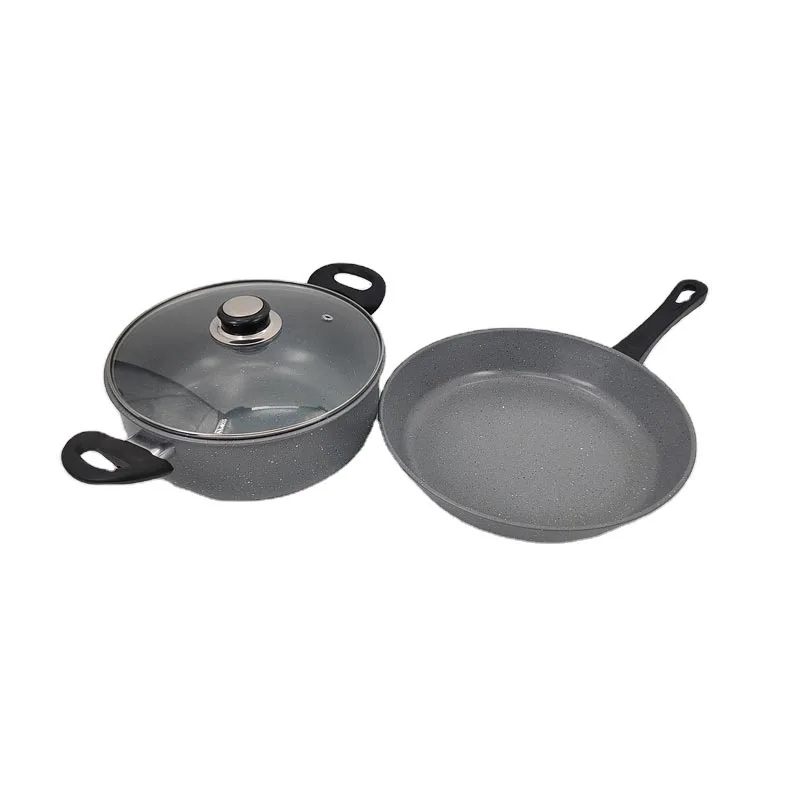
Proper cleaning is critical to maintaining the nonstick surface. We recommend hand washing cookware with warm water and mild dish soap, avoiding abrasive sponges or steel wool that can scratch the coating. Our factory provides Cookware with reinforced surfaces to minimize damage from minor cleaning errors. It is essential to remove food residue promptly after each use to prevent sticking and maintain smooth performance.
Using a soft cloth or non-abrasive brush ensures that oil buildup does not compromise the nonstick properties. At Ningbo JAS Home Supplies Co., Ltd., we test our Cookware under repeated cleaning cycles to ensure that they retain both appearance and performance over extended use. Following these cleaning practices also helps maintain the cookware’s appearance, avoiding discoloration and stains.
How Does Proper Heat Management Affect Cookware Durability?
Temperature control is another key factor in extending the life of nonstick cookware. Overheating can damage the coating, while uneven heating may create hotspots that degrade the surface. In our experience, moderate heat levels provide the best balance between cooking efficiency and long-term durability. Our cookware is designed to distribute heat evenly, reducing the risk of warping or coating breakdown.
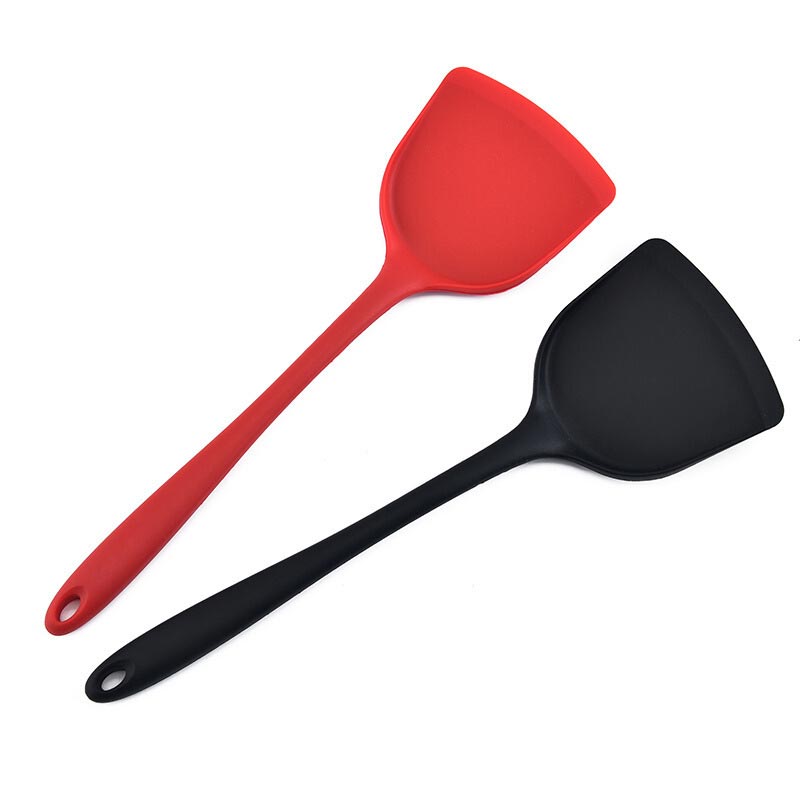
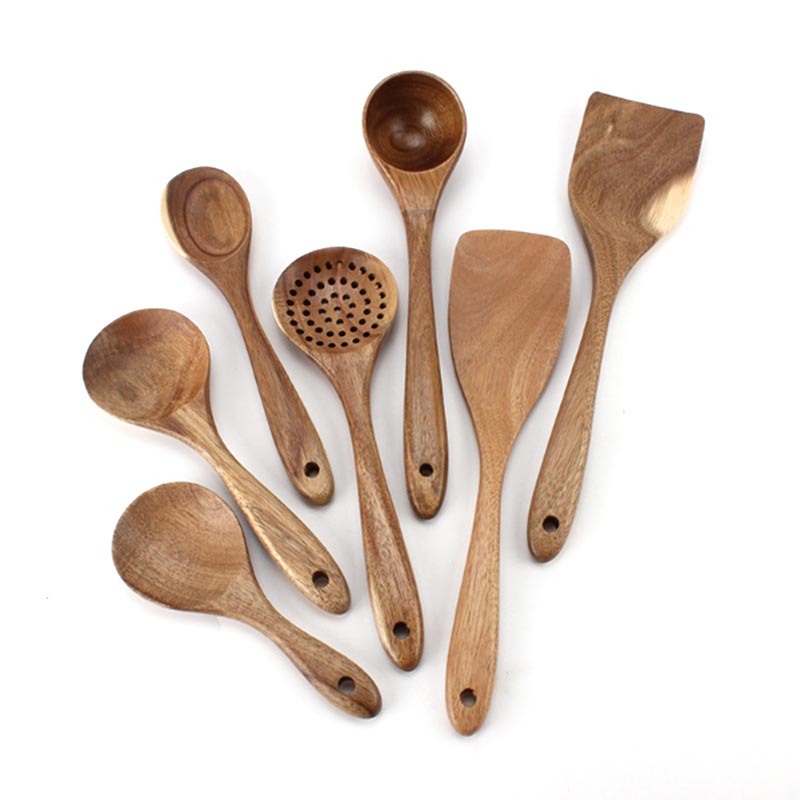
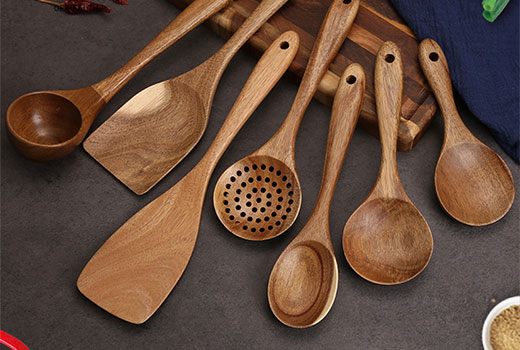
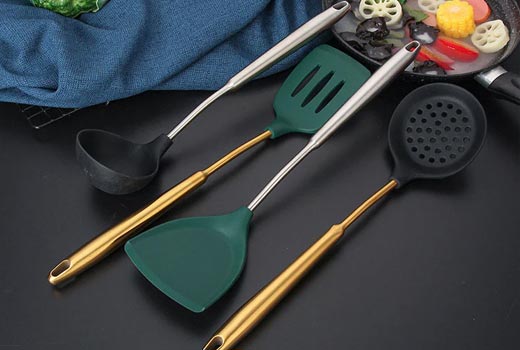
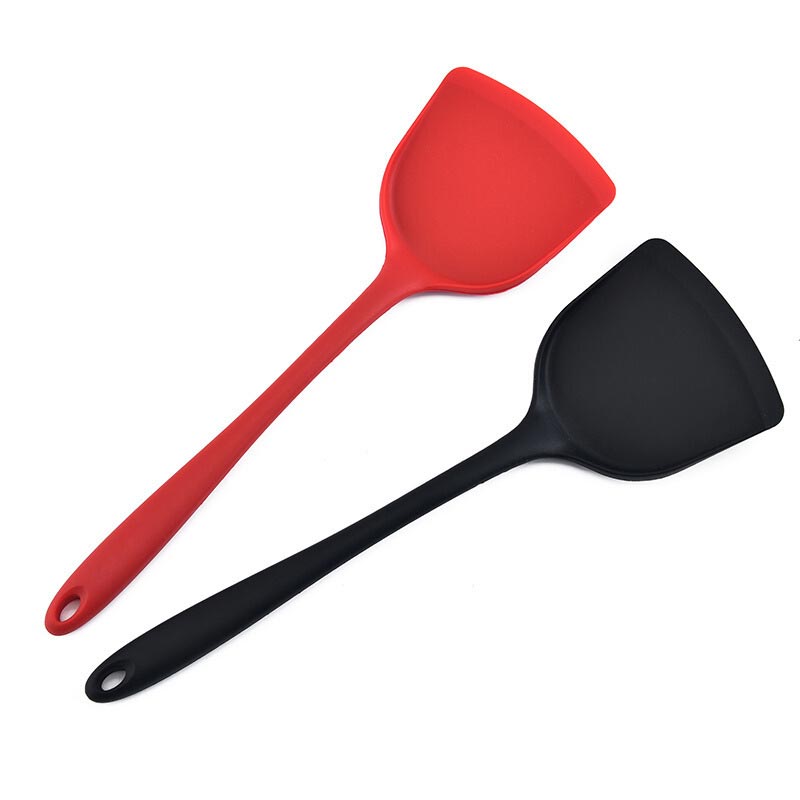
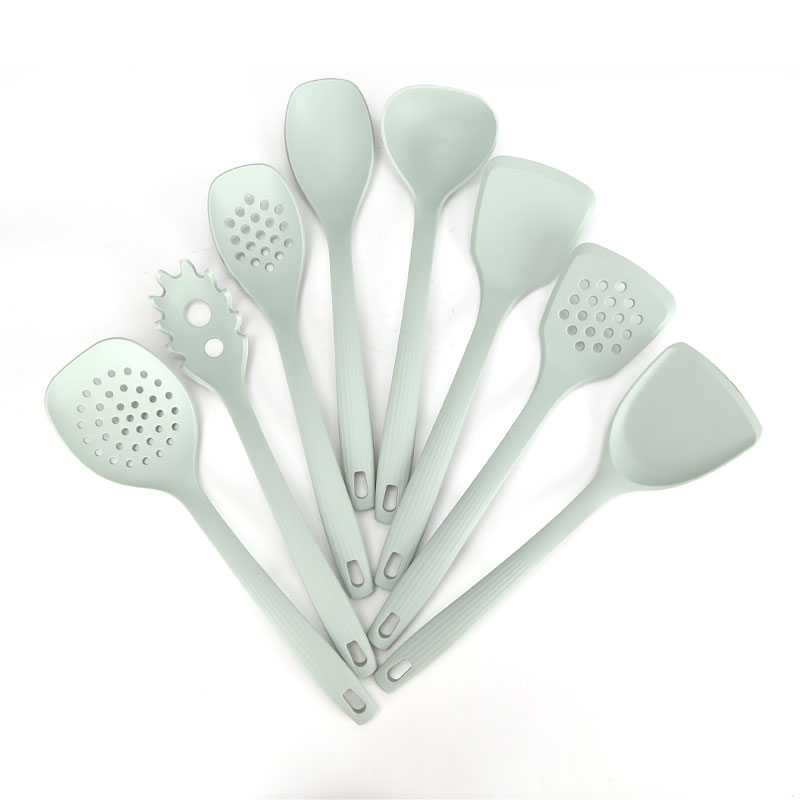
We advise avoiding preheating empty pans and using utensils suitable for nonstick surfaces. Silicone, wooden, or plastic utensils are ideal choices. Our factory engineers carefully design handles and bases to withstand daily heat cycles, ensuring the cookware remains stable during normal cooking operations.
Which Types of Utensils Are Safe for Nonstick Cookware?
Choosing the right utensils significantly influences the longevity of Cookware. Metal utensils can scratch or chip the nonstick coating, while softer materials preserve its integrity. Our factory emphasizes compatibility with silicone, bamboo, or high-quality nylon utensils to protect the surface. Using these utensils consistently minimizes wear and maintains optimal cooking performance.
We recommend replacing utensils when they show signs of wear that could compromise the nonstick surface. Ningbo JAS Home Supplies Co., Ltd. ensures that all our Cookware is tested with recommended utensil types to provide the best combination of convenience and durability for everyday cooking.
What Storage Methods Prevent Damage to Nonstick Cookware?
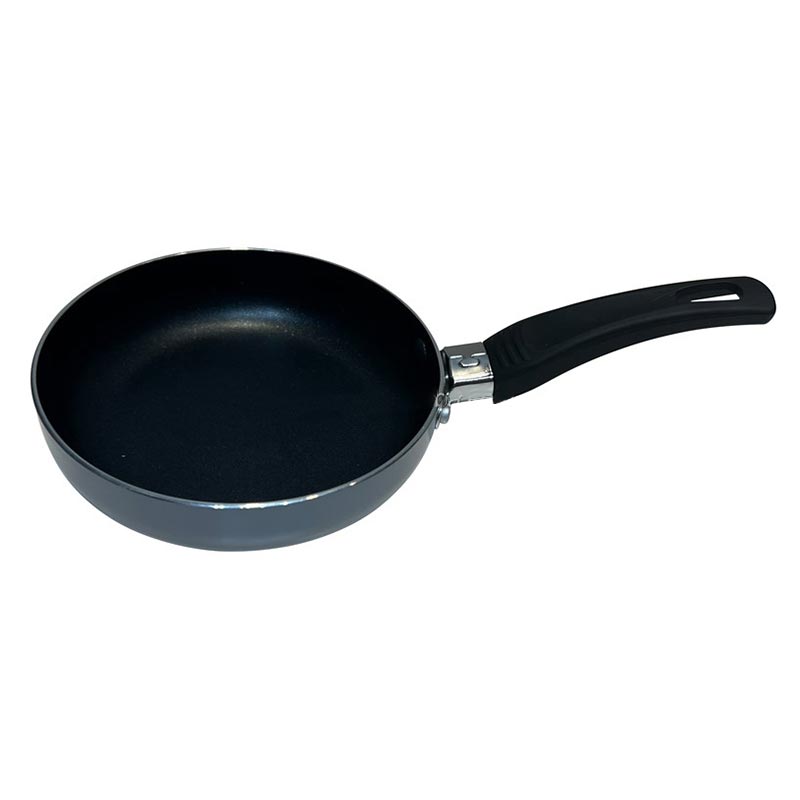
Proper storage is often overlooked but is vital for nonstick maintenance. Stacking pans without protective layers can lead to scratches. Our Cookware includes protective coatings and handles designed for safe nesting, but we recommend using cloth or paper liners between stacked items. This precaution preserves the nonstick surface and reduces long-term wear.
In our factory, we simulate extended storage conditions to ensure the cookware maintains both form and surface quality. Correct storage practices also help avoid deformation of the base and preserve the even heat distribution our Cookware is known for.
How to Season Nonstick Cookware for Improved Performance?
Seasoning adds a protective layer that enhances nonstick performance and prolongs cookware life. Our team often advises lightly coating the surface with a small amount of cooking oil and heating it gently before first use. This simple process fills micro-imperfections and strengthens the cookware’s resistance to sticking.
Repeated light seasoning after several uses can maintain optimal performance. At Ningbo JAS Home Supplies Co., Ltd., we provide instructions for seasoning on all Cookware products, helping our customers achieve consistent results without risking damage to the coating.
How to Handle Temperature Fluctuations During Cooking?
Rapid changes in temperature can stress the nonstick coating, potentially causing cracks or peeling. We recommend allowing the cookware to cool slightly before washing or moving it between hot and cold surfaces. Our factory designs Cookware to withstand typical temperature variations, but following careful handling practices ensures maximum longevity.
Gradual cooling and avoiding sudden immersion in cold water help maintain the surface structure and prevent warping. In our experience, consistent temperature management extends the functional lifespan significantly while maintaining smooth cooking performance.
Nonstick Cookware Product Parameters for Optimal Use
Understanding key product parameters helps users maximize longevity and performance. Our Cookware features advanced coatings, reinforced bases, and ergonomic handles to enhance usability. The table below summarizes typical specifications that influence durability and cooking performance.
| Parameter | Description | Recommended Usage | Notes |
| Coating Type | PTFE reinforced with ceramic layer | Low to medium heat cooking | Provides scratch resistance and smooth release |
| Base Material | Aluminum alloy with heat distribution core | Even heating on all stovetops | Prevents hotspots and warping |
| Handle Material | Heat-resistant Bakelite or silicone | Safe gripping during cooking | Ergonomic design reduces stress on cookware |
| Oven Safe | Up to 200 Celsius | Suitable for finishing dishes in the oven | Do not exceed recommended temperature |
Extended Care Guidelines for Nonstick Cookware
Beyond daily use, long-term care practices are critical. Light seasoning, careful cleaning, and proper utensil use all contribute to the sustained performance of Cookware. The following table provides guidance for maintenance frequency and expected lifespan under normal household conditions.
| Maintenance Action | Frequency | Impact on Longevity | Additional Tips |
| Hand washing with mild soap | After every use | Prevents surface degradation | Use soft sponge only |
| Light seasoning | Once every 3–5 uses | Enhances nonstick performance | Apply thin layer of cooking oil |
| Proper utensil use | Every use | Reduces scratches | Silicone, wood, or plastic recommended |
| Safe storage | After each use | Prevents scratches and deformation | Use cloth or paper liner when stacking |
How to Maintain Nonstick Cookware for Longevity? Frequently Asked Questions
Q1: Can I use metal utensils with nonstick cookware?
Metal utensils can damage the coating by scratching or chipping it, which reduces the nonstick properties. Using silicone, wooden, or plastic utensils is safer and preserves the cookware’s performance over time.
Q2: Is it necessary to season nonstick cookware before first use?
Yes, light seasoning creates a protective layer that enhances release performance. A small amount of cooking oil applied and heated gently fills micro-imperfections and strengthens the surface.
Q3: How should I wash cookware to avoid damaging the nonstick surface?
Hand wash with warm water and mild dish soap, avoiding abrasive sponges or steel wool. Prompt cleaning prevents residue buildup and maintains the coating’s smooth surface.
Conclusion
Maintaining nonstick cookware requires attention to cleaning, heat management, utensil selection, storage, and seasoning practices. By following these guidelines, users can enjoy longer-lasting performance and preserve the nonstick properties of Cookware. Our team at Ningbo JAS Home Supplies Co., Ltd. is dedicated to providing high-quality, durable cookware designed for everyday use. For tailored advice, product recommendations, or bulk supply inquiries, contact our technical department today and let us help you maximize the lifespan of your cookware.
Related News
- Why Is a 4pc Set Heat-Resistant Silicone Kitchen Cooking Set Essential for Modern Kitchens?
- Why Should You Choose a Stainless Steel Kitchenware Set?
- Why Is the Gold Baking Tool Measuring Spoon and Cup Essential for Precise Home Baking?
- Why Are Wooden Kitchen Utensils For Non-Stick Pans Essential for Modern Cooking?
- Why Are Stainless Steel Barbecue Grill Tongs Essential for Perfect Grilling?
- Why are Modern Stainless Steel Kitchen Utensils the Best Choice for Modern Kitchens?
Leave me a message